
The question of wear and tear is one of the most common sources of dispute between renters and landlords. Today we will try to shed some light on this topic.
In short, whatever damage is caused by everyday living counts as normal wear and tear. Faded carpeting, minor scuff marks, and appliances that break from normal use or age – all of these are part of normal wear and tear in Canada. But careless or improper use of appliances, poor upkeep, or failure to notify your landlord when something breaks can be considered tenant damage.
Normal wear and tear
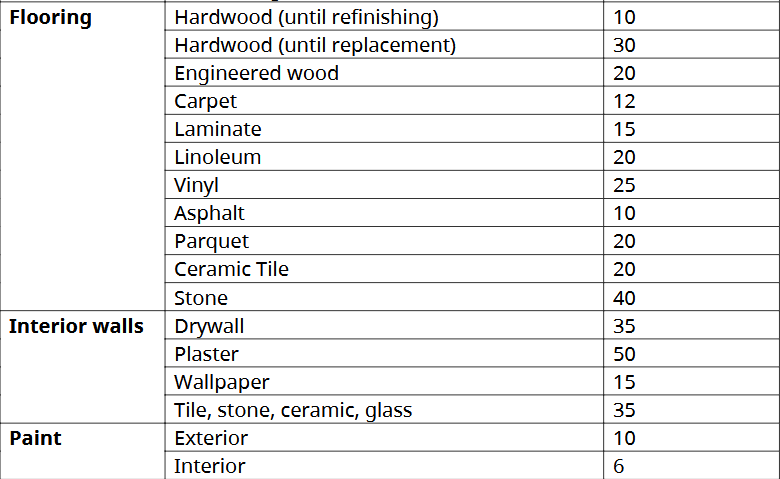
Usually, normal wear and tear includes examples such as: a loose door handle, nail holes from hanging pictures, faded carpeting, minor scuffs, or appliances breaking after their useful life has expired. Speaking of useful (or legal) life, here’s the RTB Policy Guideline 40 chart showing useful life of different items. Whether it’s considered damage can depend on expected useful life. For example, a 12-year-old carpet cannot be charged to a tenant at full replacement value.
Another important duty is to notify your property manager about the breakage as soon as possible. Neglecting this can cause additional damage and be considered tenant damage.
Tenant damage
Acting carelessly, improperly using appliances, or neglecting upkeep can be considered tenant damage. Good upkeep is essentially basic maintenance like cleaning filters, daily ventilation and trying to keep the house in good condition.
General advice
1) To protect both parties, take photos with timestamps when you move in. This will save you and the property owner from most disputes.
2) Report issues as soon as they emerge.
3) Keep records of communication.
The rules and their application can differ in each province, but the principles mentioned above are often similar across Canada. To better understand the topic, check out this guide by TRAC (Tenant Resource & Advisory Centre) – it is probably one of the most complete guides on the matter.
https://tenants.bc.ca/your-tenancy/repairs-and-maintenance/
At Prism we gladly help our tenants with all kinds of situations. With years of experience, it is our job to turn inconveniences into easy solutions. Following these tips can significantly lower chances of any disputes.